





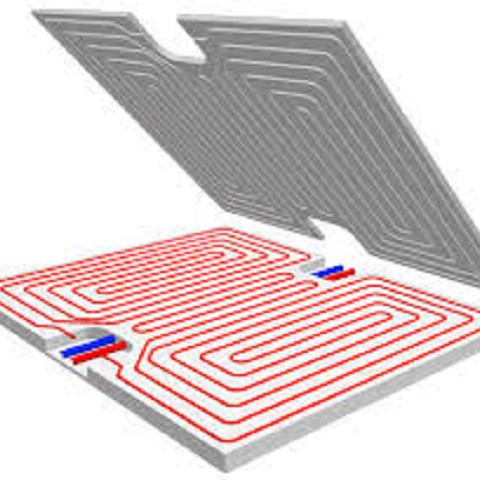
UNDERFLOOR RADIANT HEATING
What is an underfloor radiant heating system?
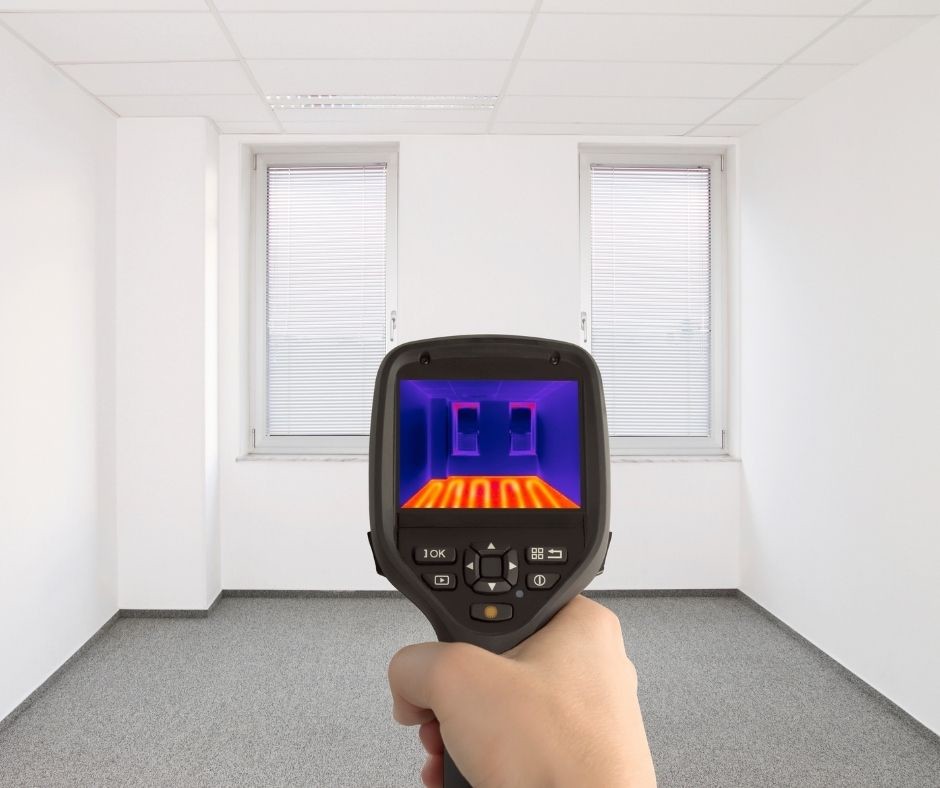
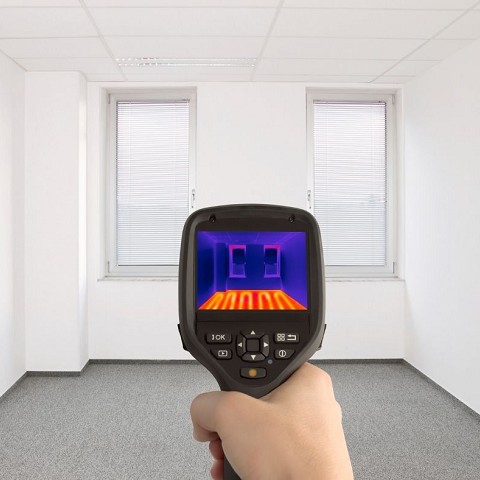
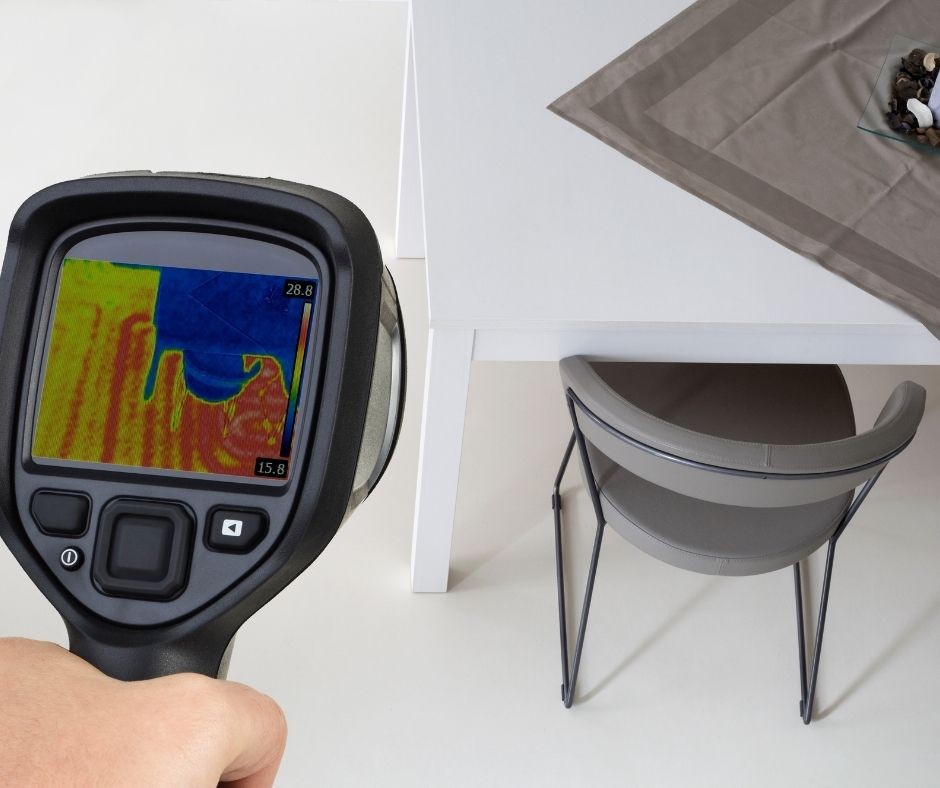
An underfloor radiant heating system is a heating solution that uses the floor as the radiant surface to distribute heat evenly throughout the indoor spaces.
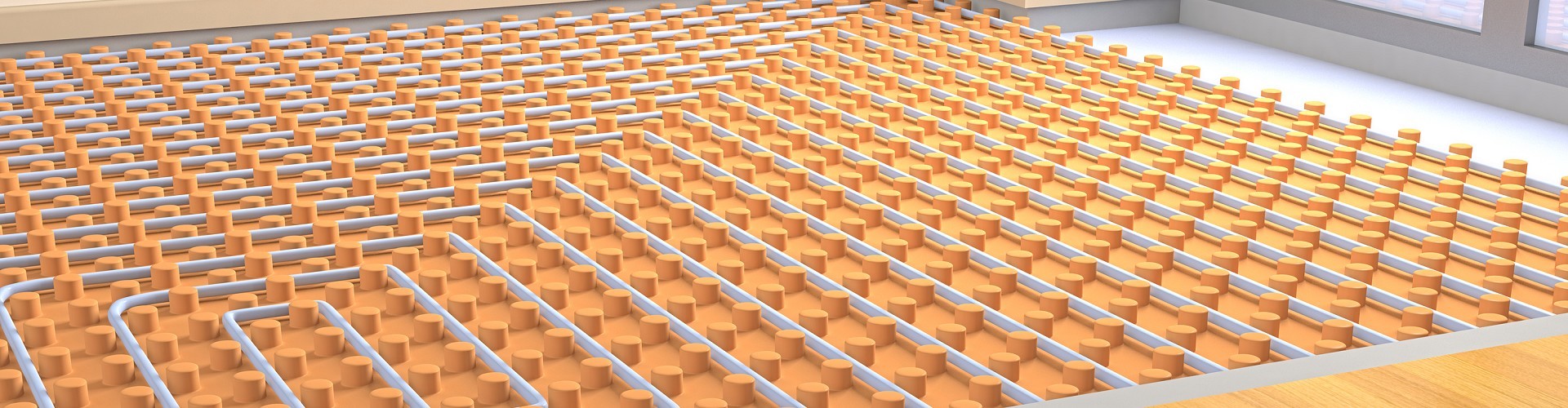
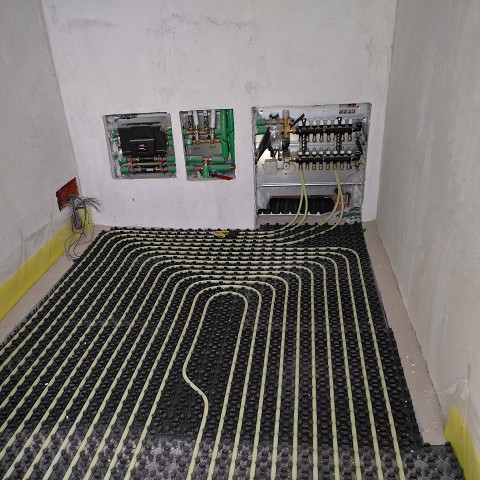
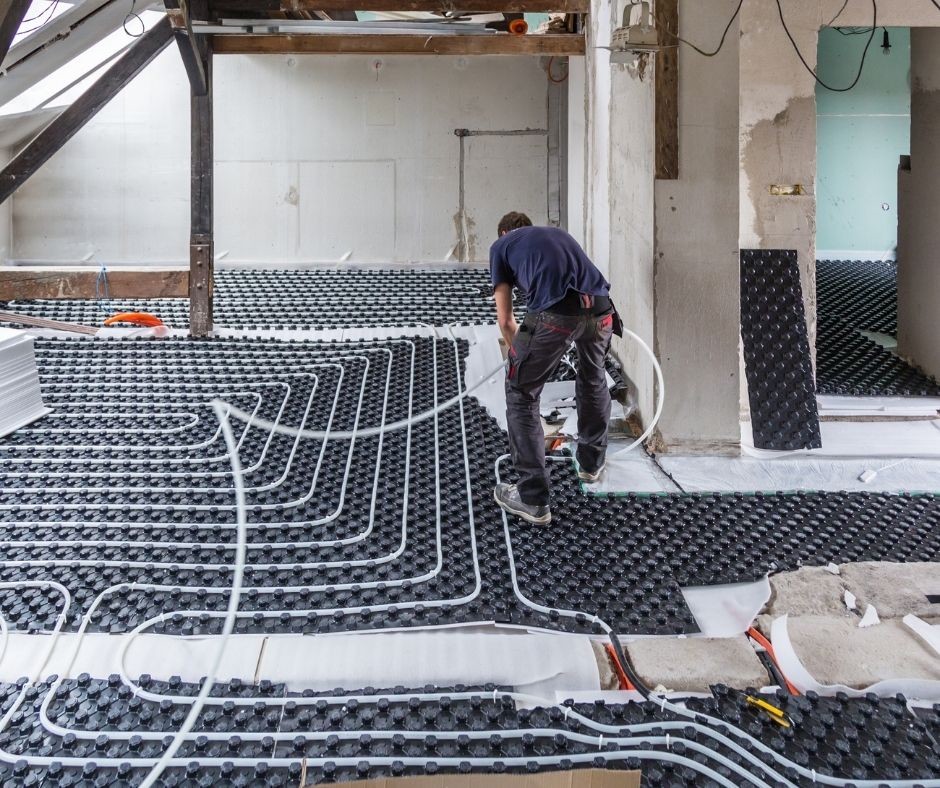
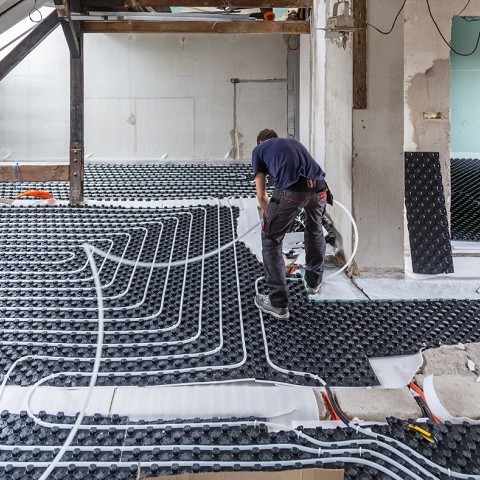
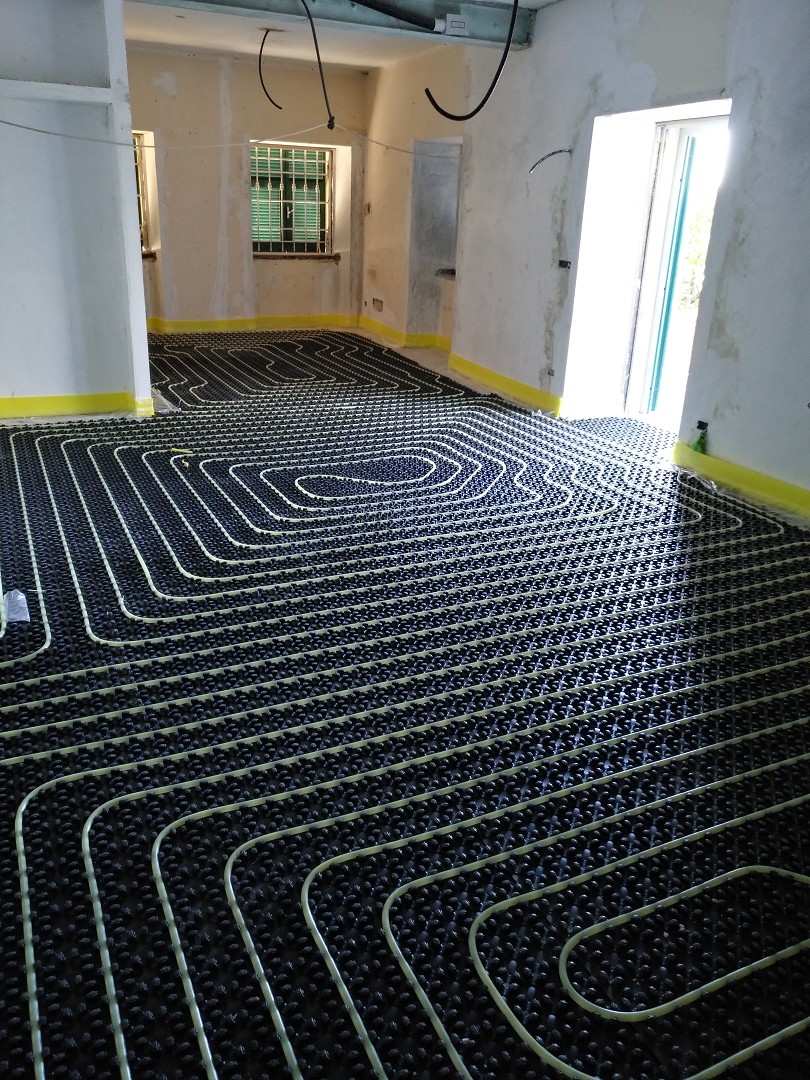
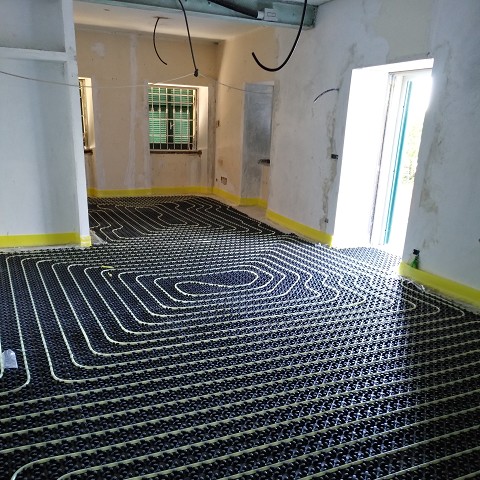
The system operates through a network of pipes installed within the floor screed, where low-temperature hot water circulates. Heat is transferred to the floor, which then radiates it evenly throughout the room, ensuring a uniform temperature and a high level of thermal comfort.
How does underfloor heating work?
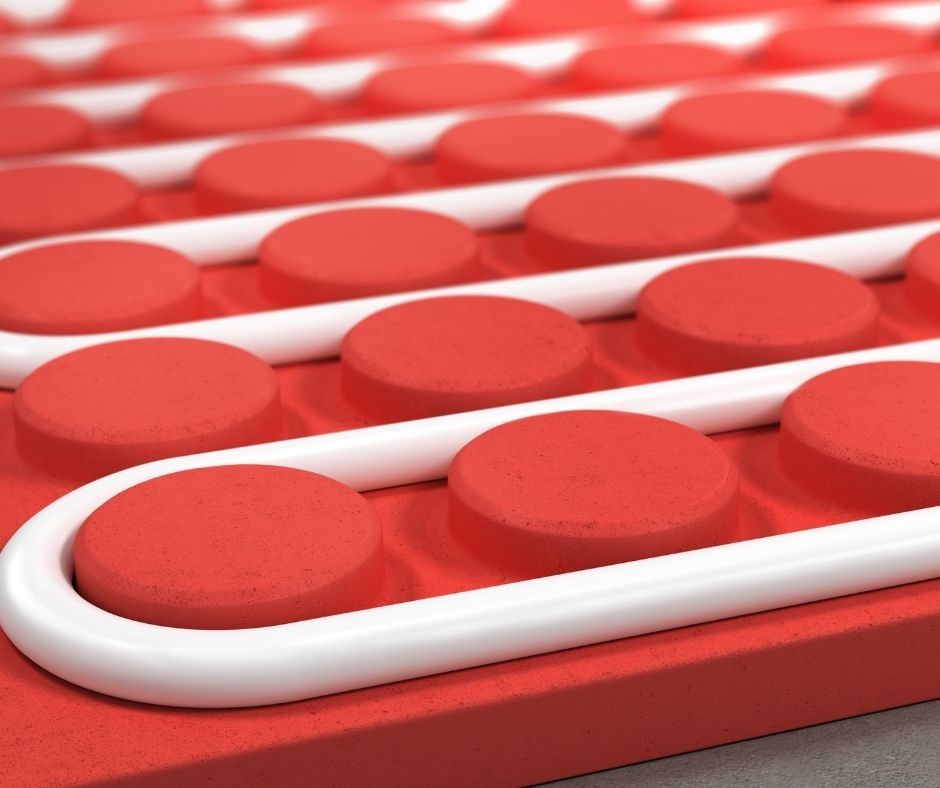
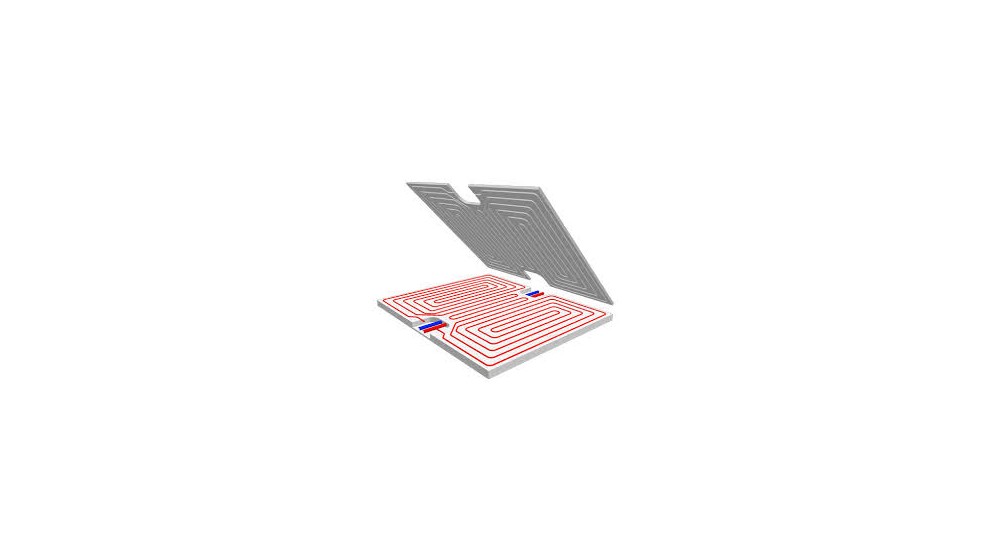
The system consists of multilayer pipes with an aluminium core installed beneath the floor covering within the screed. Low-temperature hot water circulates through the pipes, gradually warming the floor. The heat is then naturally radiated into the room, providing comfortable warmth without creating unpleasant air currents.
What are the advantages of an underfloor radiant heating system?
Underfloor heating offers numerous advantages over traditional radiator systems:
- uniform heat distribution throughout every room;
- enhanced indoor comfort thanks to a constant and pleasant temperature;
- no air drafts or dust circulation;
- greater freedom in interior design;
- silent and invisible operation;
- reduced energy consumption.
Does underfloor heating save energy?
Yes. An underfloor radiant heating system operates at low water temperatures and can provide energy savings of up to 25%, depending on climate conditions, building insulation and the quality of the system design.
Its low-temperature operation makes it particularly efficient when combined with modern condensing boilers and heat pumps.
Can underfloor heating be combined with solar panels or renewable energy systems?
Yes. Underfloor radiant heating integrates perfectly with high-efficiency systems such as solar thermal panels, heat pumps and condensing boilers. This combination further reduces energy consumption and operating costs while improving the overall efficiency of the building.
Does underfloor heating create air currents?
No. Unlike traditional radiators or fan coil units, radiant heating does not generate significant air movement. Heat is transferred primarily by radiation, creating a more comfortable indoor environment while reducing dust circulation.
Does underfloor heating limit interior design?
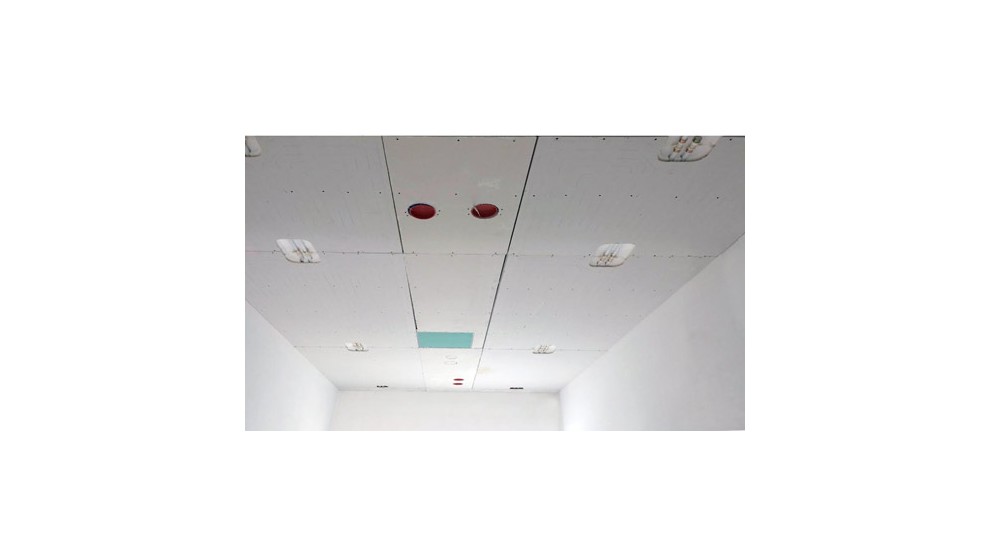
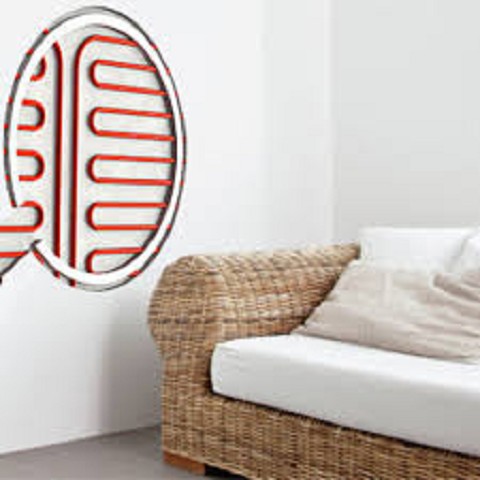
On the contrary. One of the main advantages of underfloor heating is the freedom it offers in interior design. Since there are no visible radiators, walls remain completely free, allowing greater flexibility in furniture layout while enhancing both aesthetics and functionality.
Is underfloor heating suitable for every type of home?
Yes. Underfloor radiant heating systems are an ideal solution for both new-build properties and renovation projects, particularly where improved indoor comfort and greater energy efficiency are desired.
Why choose underfloor radiant heating?
Choosing an underfloor heating system means investing in comfort, energy efficiency and long-term quality of life. Thanks to its even heat distribution, reduced energy consumption and compatibility with modern renewable energy technologies, underfloor radiant heating is one of the most advanced and effective solutions for heating residential and commercial buildings.