

• Italiano
  • English
Impianti Radianti

Impianti Radianti
Impianto radiante a pavimento, soffitto, massetto, tubo pex, serpentina, collettore, riscaldamento,
Impianto radiante a pavimento
Impianti Radianti
Impianti Radianti
Impianti Radianti
Impianti Radianti
Impianto radiante a pavimento, soffitto, massetto, tubo pex, serpentina, collettore, riscaldamento
Impianto radiante a pavimento
Impianto radiante a pavimento, soffitto, massetto, tubo pex, serpentina, collettore, riscaldamento,
Impianto radiante a soffitto
Impianto radiante a pavimento, soffitto, massetto, tubo pex, serpentina, collettore, riscaldamento,
Impianto radiante a parete
Impianto radiante a pavimento, soffitto, massetto, tubo pex, serpentina, collettore, riscaldamento,
Pannelli radianti

RADIANT HEATING AND COOLING SYSTEMS


If you need a radiant heating or cooling system, Climatique Srl is the ideal partner for your project.

A well-designed radiant heating or cooling system (underfloor, wall-mounted or ceiling-mounted), combined with an efficient ventilation system, creates a comfortable and healthy indoor environment. By adding the efficiency of a radiant system with competitive installation costs, it is possible to achieve high levels of comfort while benefiting from significant energy savings.

Radiant heating systems ensure optimal indoor climate control throughout the year, considerably reducing energy consumption and operating costs. These systems use a network of pipes installed beneath the floor, within walls or above ceilings to circulate heated or cooled water, providing even and comfortable temperature distribution.

There are currently three main types of radiant systems:

UNDERFLOOR RADIANT HEATING


What is an underfloor radiant heating system?

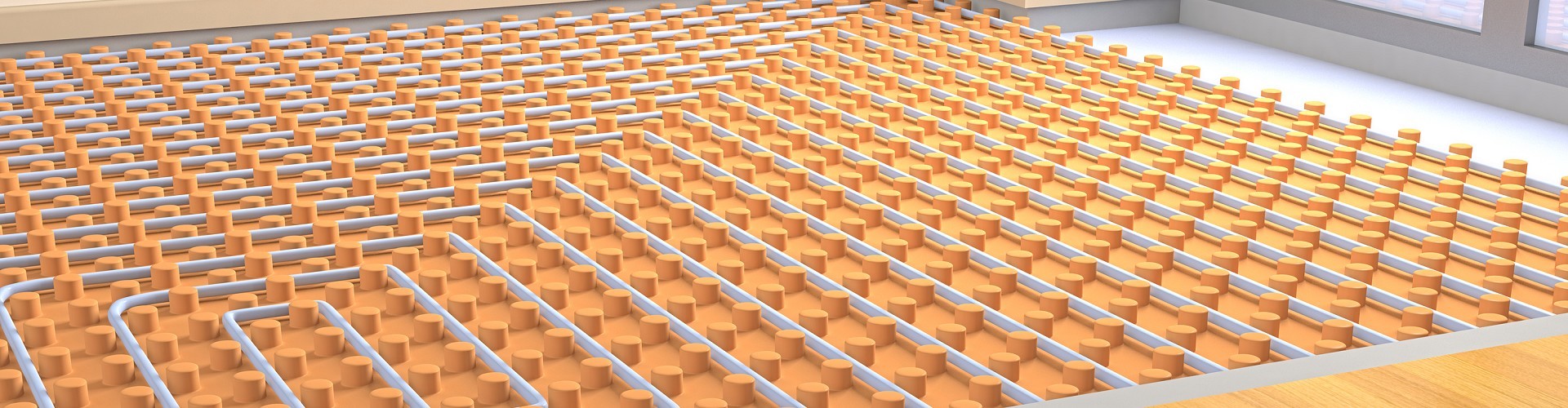
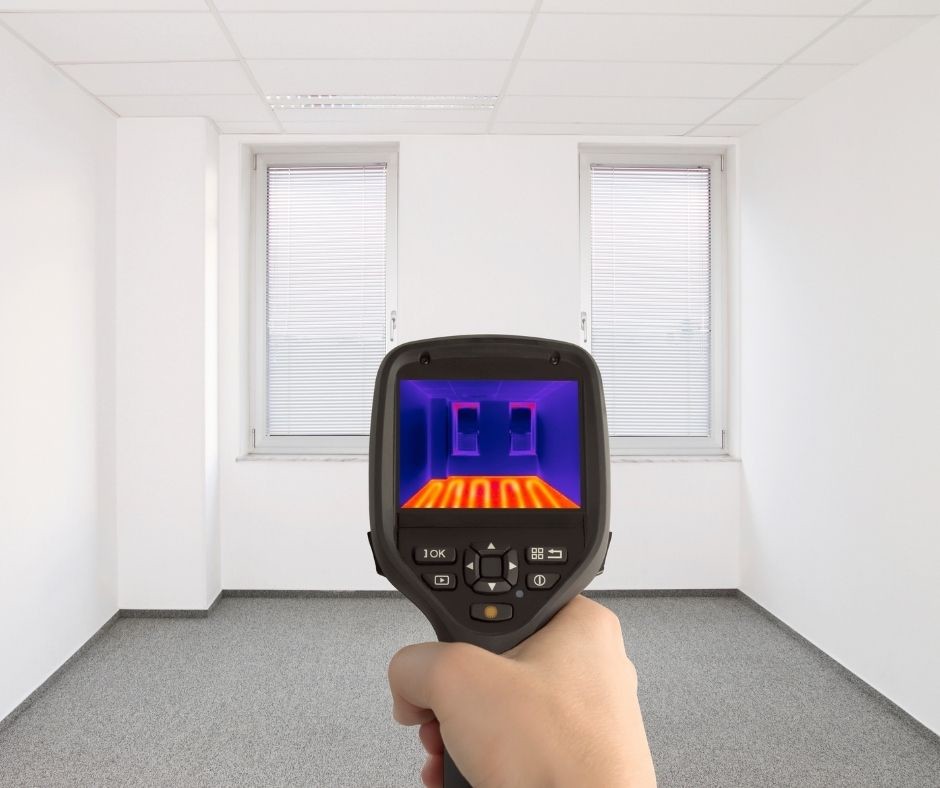
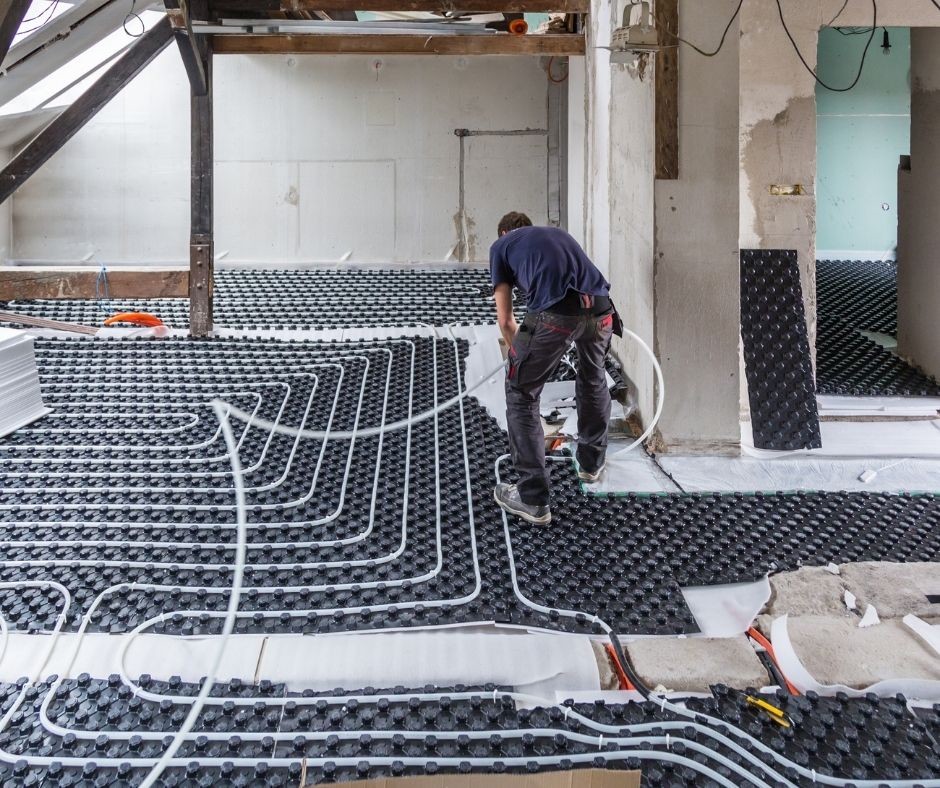
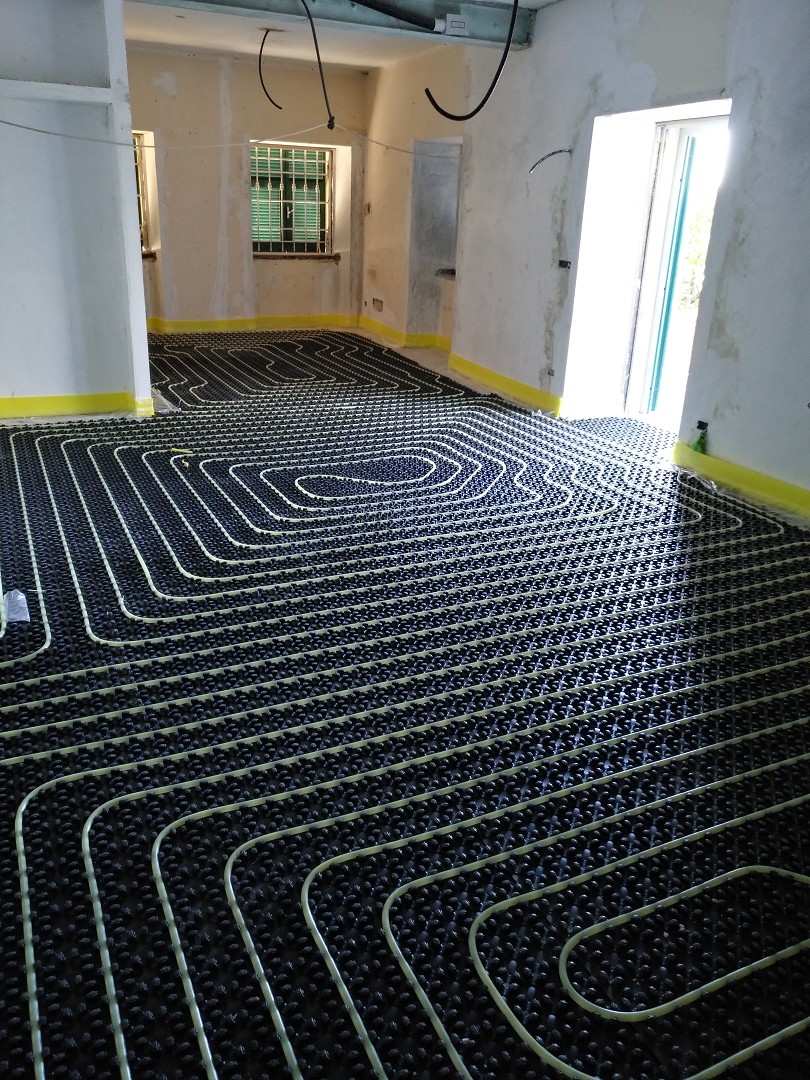
An underfloor radiant heating system is a heating solution that uses the floor as the radiant surface to distribute heat evenly throughout the indoor spaces.

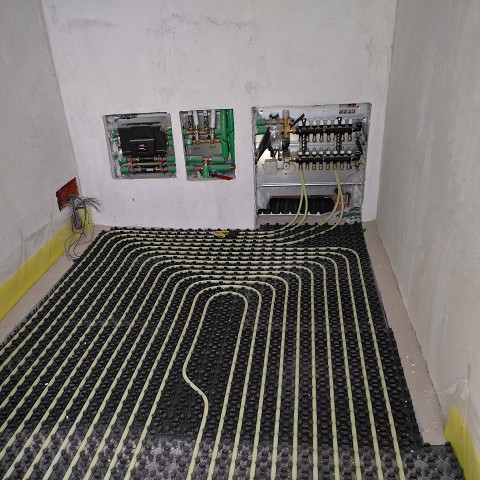
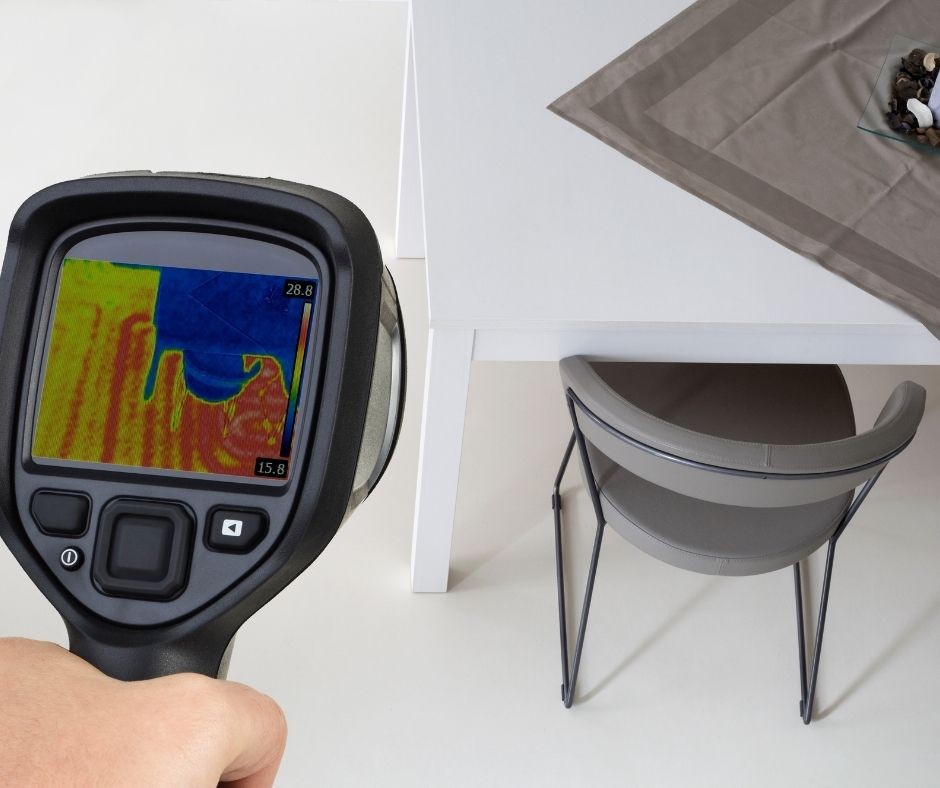
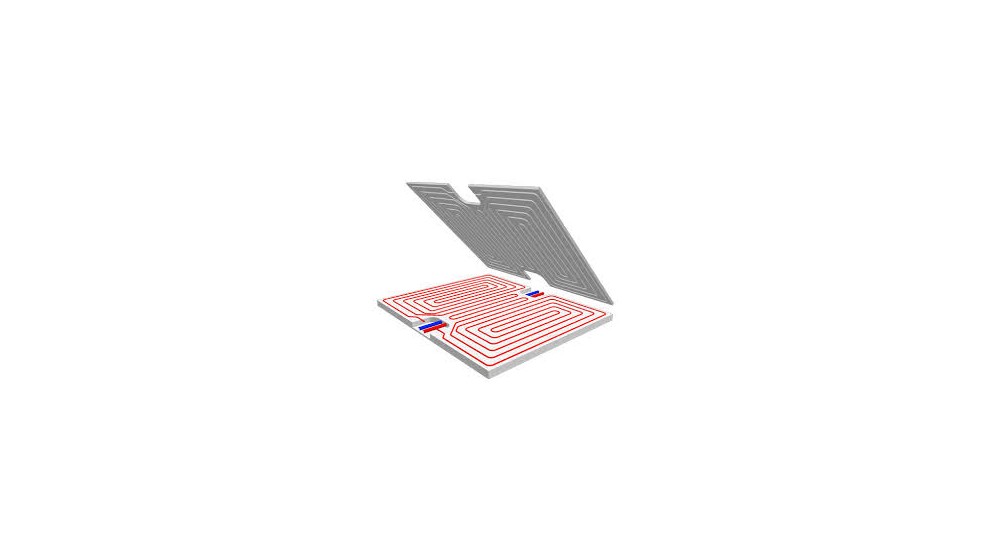
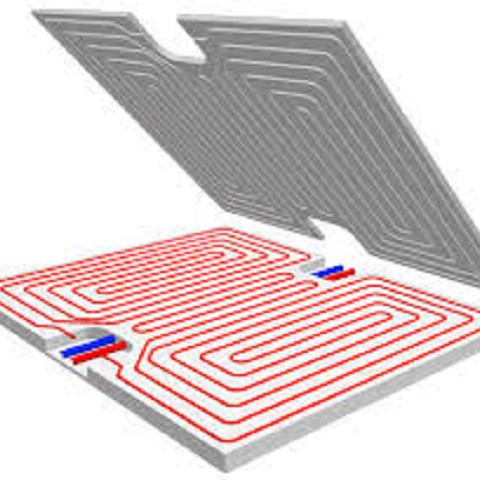
The system operates through a network of pipes installed within the floor screed, where low-temperature hot water circulates. Heat is transferred to the floor, which then radiates it evenly throughout the room, ensuring a uniform temperature and a high level of thermal comfort.


How does underfloor heating work?

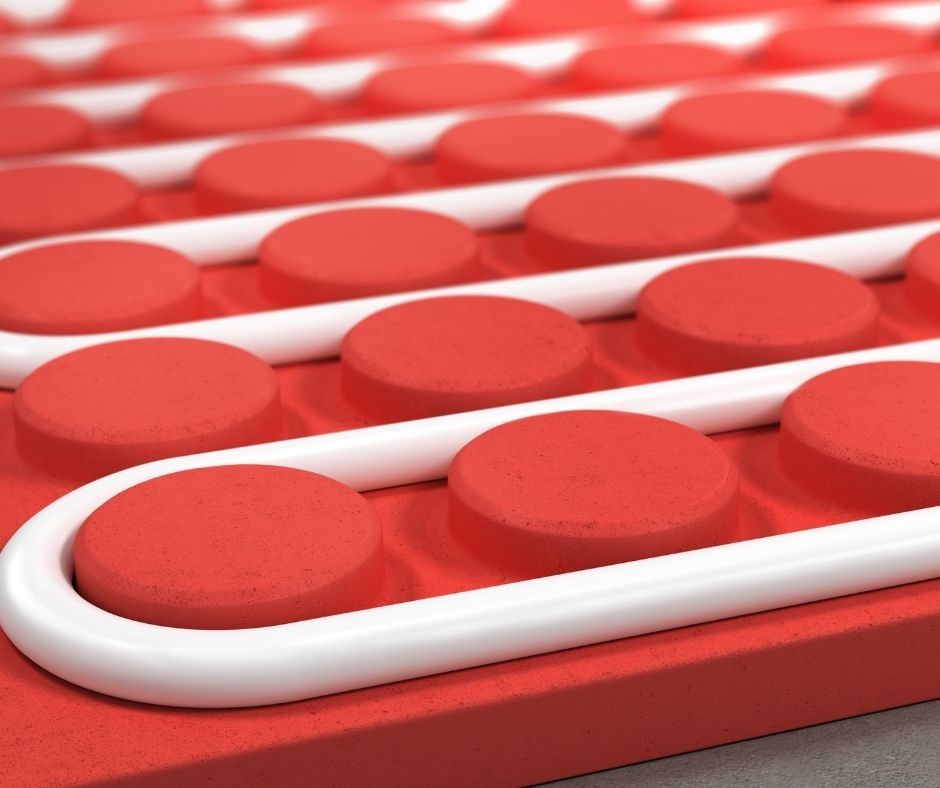
The system consists of multilayer pipes with an aluminium core installed beneath the floor covering within the screed. Low-temperature hot water circulates through the pipes, gradually warming the floor. The heat is then naturally radiated into the room, providing comfortable warmth without creating unpleasant air currents.


What are the advantages of an underfloor radiant heating system?

Underfloor heating offers numerous advantages over traditional radiator systems:

  • uniform heat distribution throughout every room;
  • enhanced indoor comfort thanks to a constant and pleasant temperature;
  • no air drafts or dust circulation;
  • greater freedom in interior design;
  • silent and invisible operation;
  • reduced energy consumption.


Does underfloor heating save energy?

Yes. An underfloor radiant heating system operates at low water temperatures and can provide energy savings of up to 25%, depending on climate conditions, building insulation and the quality of the system design.

Its low-temperature operation makes it particularly efficient when combined with modern condensing boilers and heat pumps.


Can underfloor heating be combined with solar panels or renewable energy systems?

Yes. Underfloor radiant heating integrates perfectly with high-efficiency systems such as solar thermal panels, heat pumps and condensing boilers. This combination further reduces energy consumption and operating costs while improving the overall efficiency of the building.


Does underfloor heating create air currents?

No. Unlike traditional radiators or fan coil units, radiant heating does not generate significant air movement. Heat is transferred primarily by radiation, creating a more comfortable indoor environment while reducing dust circulation.


Does underfloor heating limit interior design?

On the contrary. One of the main advantages of underfloor heating is the freedom it offers in interior design. Since there are no visible radiators, walls remain completely free, allowing greater flexibility in furniture layout while enhancing both aesthetics and functionality.


Is underfloor heating suitable for every type of home?

Yes. Underfloor radiant heating systems are an ideal solution for both new-build properties and renovation projects, particularly where improved indoor comfort and greater energy efficiency are desired.


Why choose underfloor radiant heating?

Choosing an underfloor heating system means investing in comfort, energy efficiency and long-term quality of life. Thanks to its even heat distribution, reduced energy consumption and compatibility with modern renewable energy technologies, underfloor radiant heating is one of the most advanced and effective solutions for heating residential and commercial buildings.

WALL-MOUNTED RADIANT HEATING SYSTEMS

What is a wall-mounted radiant heating system?

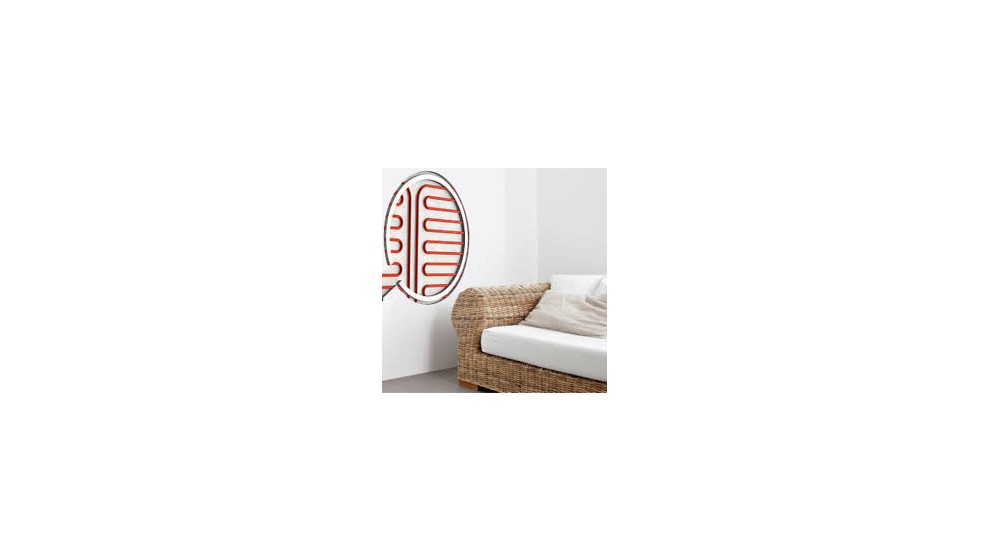
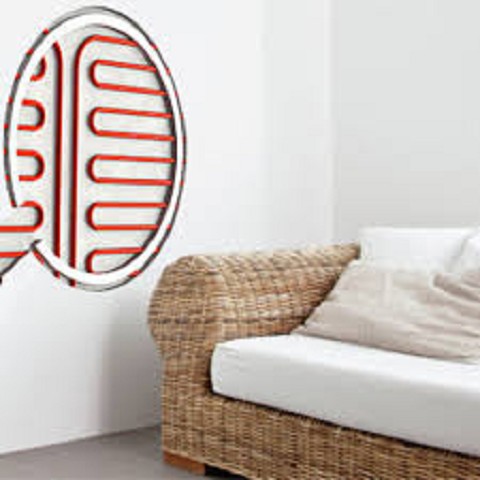
A wall-mounted radiant heating system is a solution that distributes heat through panels installed inside the building’s walls. These panels contain a network of pipes through which hot water circulates, heating the rooms through radiant heat and providing a high level of comfort with an even temperature distribution.


How does wall-mounted radiant heating work?

The pipes are installed inside the walls, generally on the e

xternal-facing walls of the building. Before installation, suitable insulation panels are applied to reduce heat loss and improve the overall efficiency of the system.

Once connected to the heating system, the circuit is covered with plaster, making the installation completely invisible and perfectly integrated into the building.


What are the advantages of wall-mounted radiant heating?

A wall-mounted radiant heating system offers numerous benefits:

  • uniform heat distribution;
  • high thermal comfort;
  • no visible radiators;
  • greater freedom in interior design;
  • reduced heat loss thanks to wall insulation;
  • silent and completely invisible operation.


What are the advantages compared to underfloor heating?

Wall-mounted radiant heating offers specific advantages that make it particularly suitable for certain applications.

Installation can be easier in some situations, especially during renovation projects where floor modifications may be difficult or undesirable.

In addition, the system has lower thermal inertia compared to underfloor heating. Since the pipes are positioned closer to the surface, the walls reach the desired temperature more quickly, providing a faster response to changes in heating requirements.

Does wall-mounted radiant heating provide greater comfort?

Yes. Since the human body develops mainly in a vertical position, the heat radiated by walls is perceived in a particularly natural and uniform way.

This creates a pleasant sense of well-being without generating air movement or uncomfortable temperature variations.


Can the system also be used for summer cooling?

Yes. With proper design, wall-mounted radiant panels can also be used for summer cooling.

By circulating cold water through the pipes, the system helps reduce room temperatures evenly, quietly and without direct air flows, improving comfort during warmer months.


Is wall-mounted radiant heating efficient?

Yes. Thanks to uniform heat distribution and insulation of external walls, the system provides excellent energy performance.

It can be combined with heat pumps, condensing boilers and other high-efficiency heat generators, helping to reduce energy consumption and operating costs.


Why choose a wall-mounted radiant heating system?

Wall-mounted radiant heating is a modern, efficient and elegant solution for those seeking maximum indoor comfort.

The absence of visible radiators, fast thermal response, the possibility of summer cooling and perfect integration with modern energy-saving technologies make it an ideal choice for homes, offices and professional environments.


CEILING RADIANT HEATING AND COOLING SYSTEMS

What is a ceiling radiant heating system?

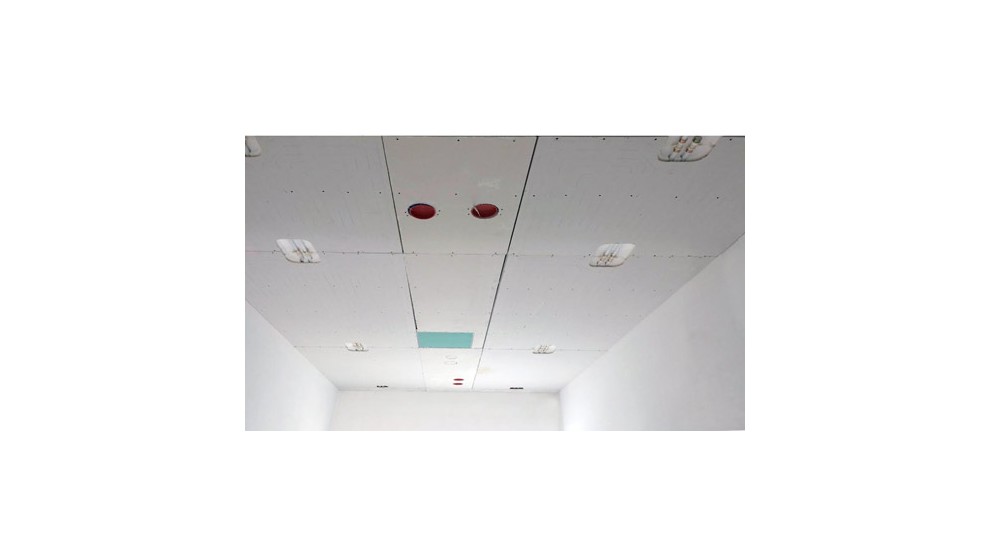
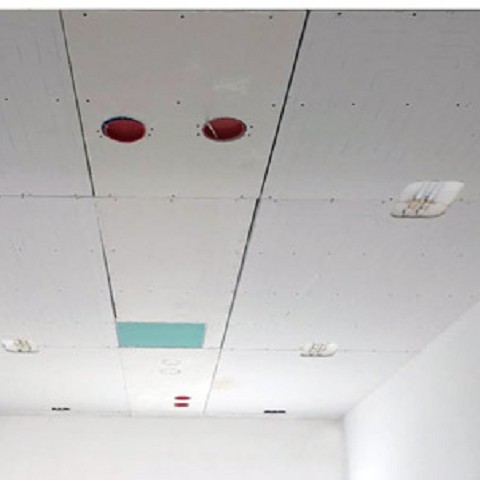
A ceiling radiant heating and cooling system is a climate control solution that uses panels installed in suspended ceilings to heat or cool indoor spaces through radiant heat exchange.

It is a modern solution that provides high levels of comfort, reduced energy consumption and complete aesthetic integration, as the entire system remains fully concealed.


How does ceiling radiant heating work?

The system consists of metal or plasterboard panels containing a network of pipes. Hot or cold water circulates through these pipes, controlling the surface temperature of the panels.

Heat or cooling is transferred mainly through radiation, creating a uniform and pleasant indoor climate without generating uncomfortable air currents.


Can the system be used for both heating and cooling?

Yes. A ceiling radiant system can operate throughout the entire year.

During winter, it distributes heat evenly throughout the room, while in summer it represents one of the most effective solutions for cooling indoor spaces, providing high comfort without the direct airflow typical of traditional air conditioning systems.


Why is ceiling radiant cooling so effective?

During summer, the radiant ceiling absorbs heat from the room, helping maintain a stable and comfortable temperature.

The feeling of comfort is particularly pleasant because the temperature distribution follows a natural profile, with a slight difference between the feet and head areas, improving overall thermal perception.


What are the advantages of a ceiling radiant system?

A ceiling radiant system offers numerous benefits:

  • heating and cooling with a single system;
  • uniform temperature distribution;
  • no air currents or operating noise;
  • maximum comfort in every environment;
  • completely hidden installation;
  • greater freedom in interior design and space planning;
  • high energy efficiency;
  • perfect integration with heat pumps and other high-efficiency systems.


Does ceiling radiant heating consume less energy?

Yes. Thanks to operation with controlled water temperatures and uniform heat or cooling distribution, the system optimizes energy consumption and reduces operating costs, especially when combined with heat pumps or other high-efficiency generators.


Where can a ceiling radiant system be installed?

Ceiling radiant heating and cooling is ideal for homes, offices, shops, professional studios, hotels and any environment where a discreet, efficient system capable of providing year-round comfort is required.

For large spaces with high ceilings, such as industrial buildings, warehouses, storage facilities and production areas, specialized radiant strip heaters can be installed to provide effective heating even in large-volume environments.


Why choose a ceiling radiant heating system?

A ceiling radiant system is an innovative solution for those seeking an invisible, silent and energy-efficient climate control system.

The ability to heat and cool spaces with a single installation, combined with high comfort levels and reduced energy consumption, makes it an ideal choice for residential, commercial and industrial applications.


Climatique srl

Impianti di climatizzazione, condizionamento e aeraulica a Genova